Free Delivery Above 499/-

MORINGA- the“Miracle Tree.”
MORINGA, also known as the “miracle tree,” or “Drumstick plant.” is classified as an important herbal plant due to its immense medicinal and non-medicinal benefits. Traditionally, the plant is used to cure wounds, pain, ulcers, liver disease, heart disease, cancer, and inflammation.
It was found that bioactive constituents are present in every part of the plant. Until recently, hundreds of compounds from different parts of the moringa plant have been characterized, including alkaloids, flavonoids, anthraquinones, vitamins, etc. The traditional and nontraditional use of Moringa, its medicinal effects, and its various other uses are recognized in the present Blog.
4000+
Years of Traditional Use
92%
Nutrient Density
46
Essential Antioxidants
13
Amino Acids
What is MoringaOleifera
Moringa oleifera (M. oleifera), the “miracle tree”, thrives globally in almost all tropical and subtropical regions, but it is believed to be native to especially India and almost the whole SouthAsian sub continents.
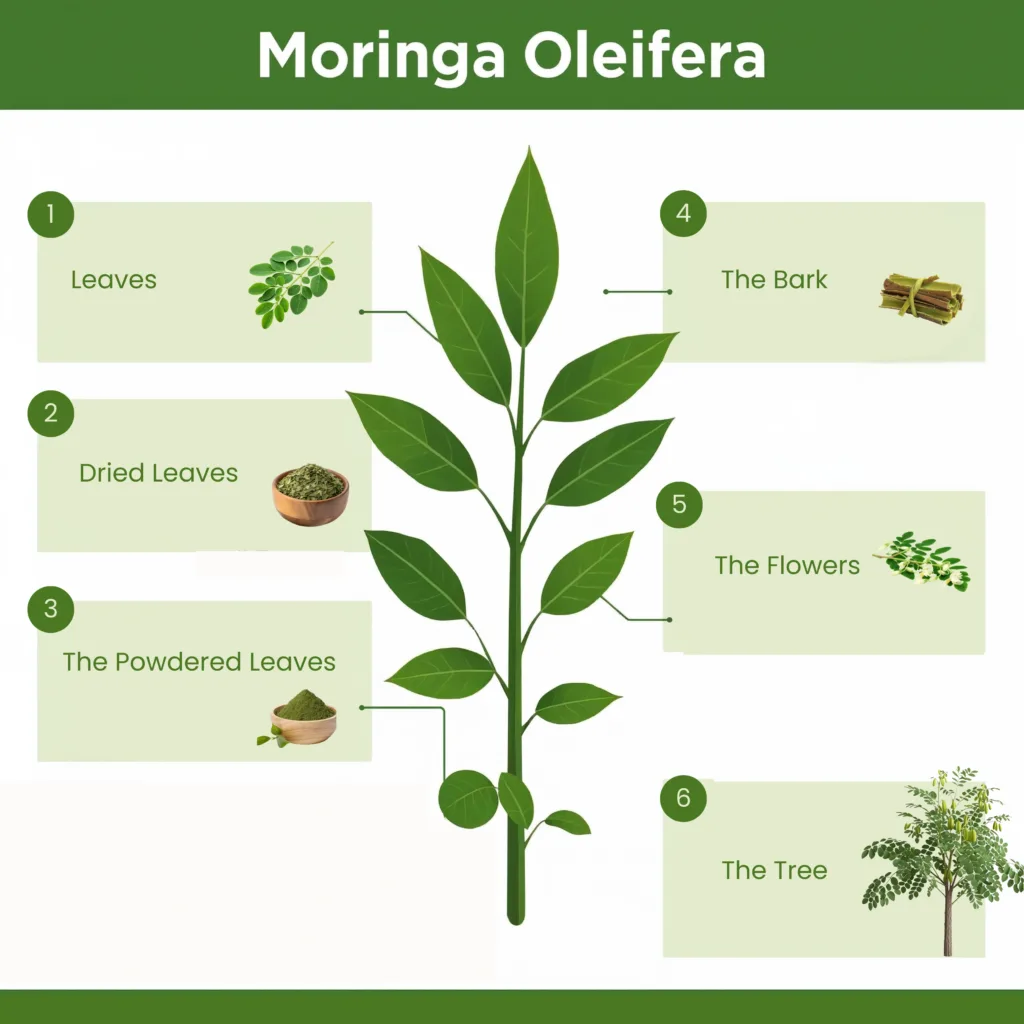
Moringa has become well known for its use in nutrition, biogas production, fertilizer, etc.
- Leaves have a high content of beta-carotene, minerals, calcium, and potassium.
- Dried leaves have an oleic acid content of about 70%, which makes them suitable for making moisturizers.
- The powdered leaves are used to make many beverages, some of which are the most popular in India.
- The bark of the tree is considered very useful in the treatment of different disorders such as ulcers, toothache, and hypertension.
- Roots, however, are found to have a role in the treatment of toothache, helminthiasis, and paralysis.
- The flowers are used to treat ulcers, enlarged spleen, and to produce aphrodisiac substances.
- The tree is believed to have incredible properties in treating malnutrition in infants and lactating mothers.
Different Names For Moringa In India
Here are the different names of Moringa in India, listed state-wise and language-wise for easy reference:
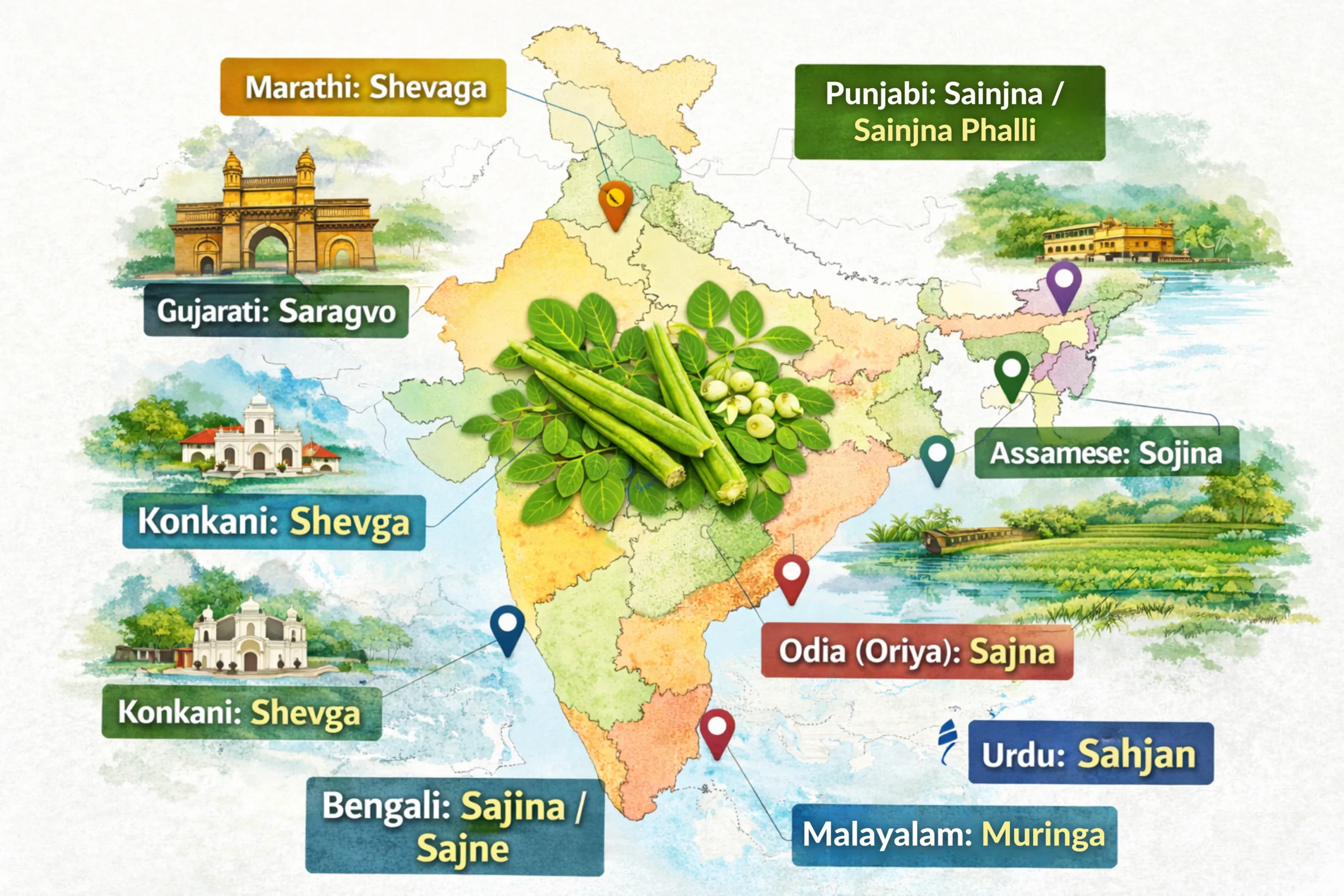
- Tamil: Murungai
- Telugu: Munaga
- Kannada: Nuggekai
- Malayalam: Muringa
- Marathi: Shevaga / Shevga
- Gujarati: Saragvo
- Bengali: Sajina / Sajne
- Odia (Oriya): Sajna
- Punjabi: Sainjna / Sainjna Phalli
- Assamese: Sojina
- Konkani: Shevga
- Urdu: Sahjan
Reserch on Moringa: From the Past to the Present
Ancient & Traditional Era
Medieval Period
Colonial & Pre-Modern Period
Early Scientific Research Phase
Scientists began documenting:- Antimicrobial properties and Anti-inflammatory effects
Modern Scientific Research Expansion
Moringa promoted by NGOs to fight:- Childhood malnutrition and Anemia
Nutraceutical & Health Focus
Pharmaceutical & Functional Food Research
Present-Day Research
Research on moringa’s role in:- Preventing lifestyle diseases and supporting metabolic health
Traditional Properties India
People in India and across the world have included Moringa in their diet since ancient times because of its vital medicinal and ayurvedic therapeutic values. Various medicines made from the plant are said to have ethno-medicinal properties for curing diseases and have been used for centuries.
Approximately every part (leaf, pod, bark, gum, flower, seed, seed oil, and root) of this plant has been used to treat one disease or another.
- Moringa is also used to treat diarrhea. A medicine made from Moringa leaves is a quick remedy for inflammation and headache, etc.
- The pods treat hepatitis and relieve joint pain. The roots are conventionally used to treat kidney stones, liver diseases, inflammation, ulcers, and pain associated with the ear and teeth.
- The bark of the stem is used to treat wounds and skin infections. Indians use the gum extracted from this plant to treat fever, and it was also used to induce abortions in ancient times.
- The seeds of the plant act as a laxative and are used in the treatment of tumors, prostate, and bladder problems.
- The seeds are also used for the treatment of arthritis by altering oxidative stress and reducing inflammation.
- Plant leaves extract benefits nursing mothers and malnourished infants and improves the general health of the population.
- The leaves have been useful for patients suffering from insomnia and for treating wounds.
- Moringa is used extensively in the cosmetic industry nowadays, and in ancient Egyptian history, it was similarly used for preparing dermal ointments.
Beyond the basics: Exploring moringa's diverse healing abilities
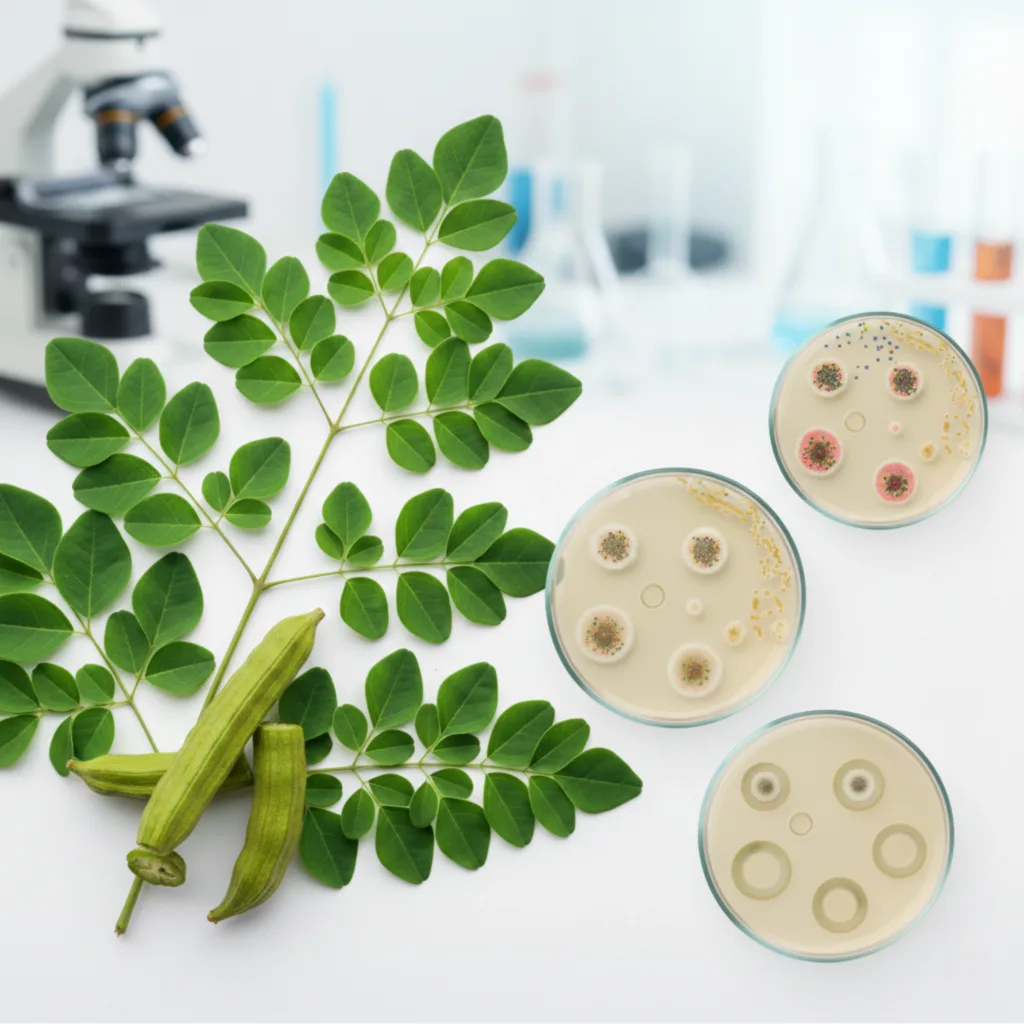
Many pharmacological studies have revealed that different extracts of Moringa exhibit different medicinal properties, such as antimicrobial, antifungal, anti-inflammatory, antioxidant, anticancer, fertility, wound healing, and other pharmacological activities mentioned below:
1. Antimicrobial and Antifungal Activity
Moringa’s root extract contains a compound, N-benzylethyl thioformate, which is responsible for the antimicrobial and antifungal effect towards various microbes and fungi.
Moringa’s leaf extract exerts inhibition of urinary tract infections caused by Gram-negative and Gram-positive bacteria, and Escherichia coli.
Moringa’s seeds have active components that are supposedly responsible for exhibiting antimicrobial properties.
The juice of Moringa leaves shows potential against human pathogenic bacteria.
2. Anti-Inflammatory Activity
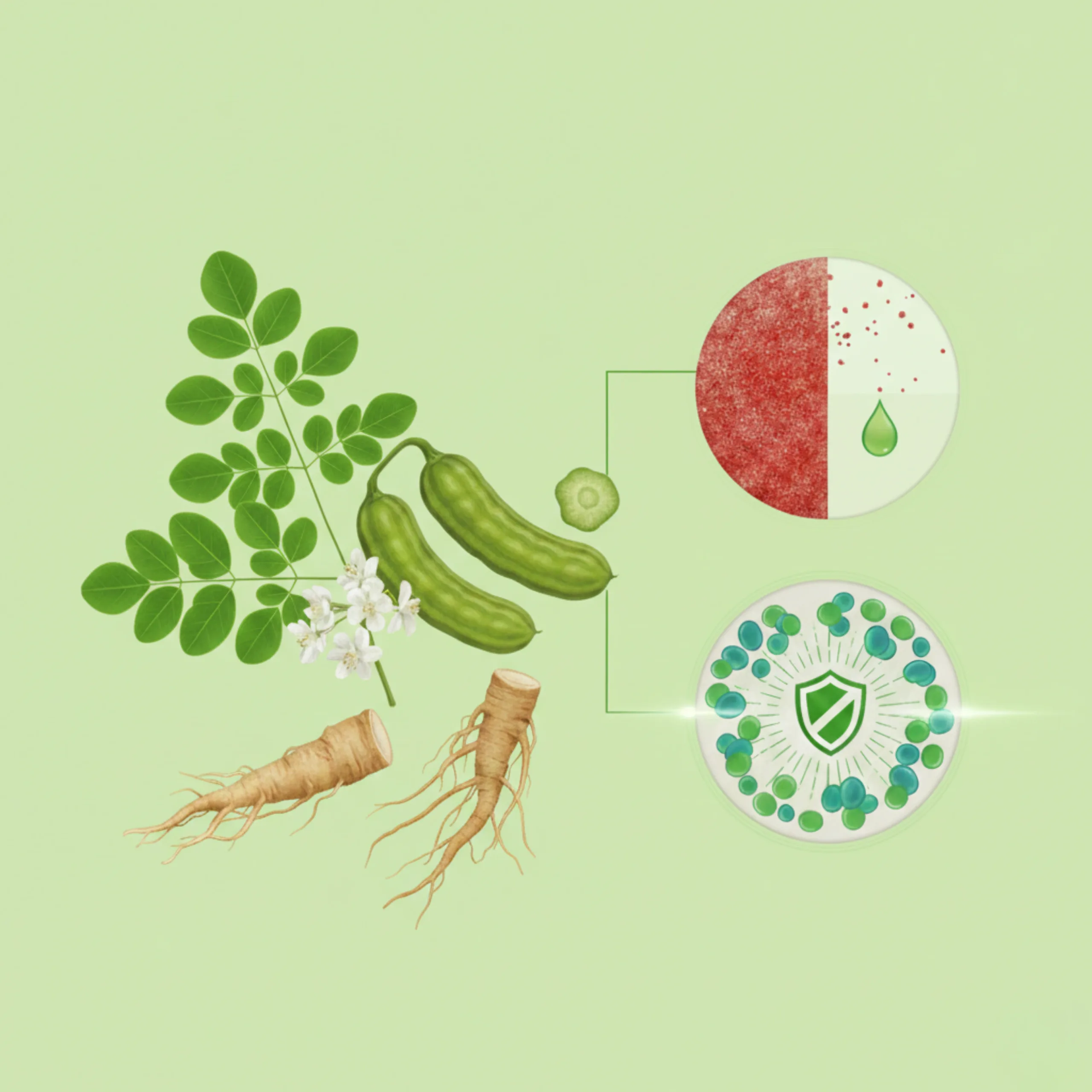
A significant anti-inflammatory effect was observed in different parts of Moringa (leaf, pods, flowers, and roots).
Derivatives of sehjan roots are involved in the body’s Immune responses.
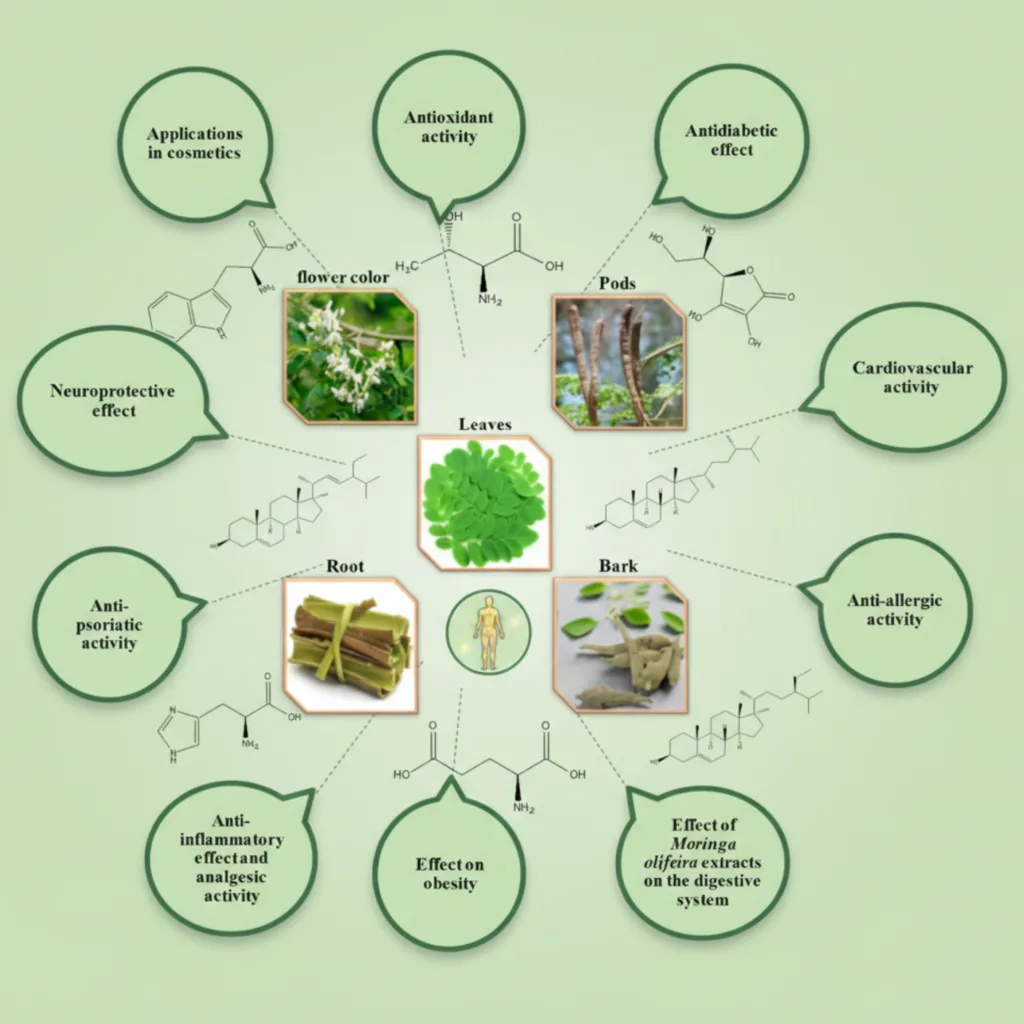
3. Anti-Oxidant Activity
Bioactive compounds such as glycosylates, isothiocyanates, thiocarbamates, flavonoids, and certain other compounds from Moringa pods have been identified for exhibiting better antioxidant properties. thereby reducing the inflammation and curing other disorders like obesity, arthritis, cancer, diabetes, and ulcers.
4. Anti-Cancer Activity
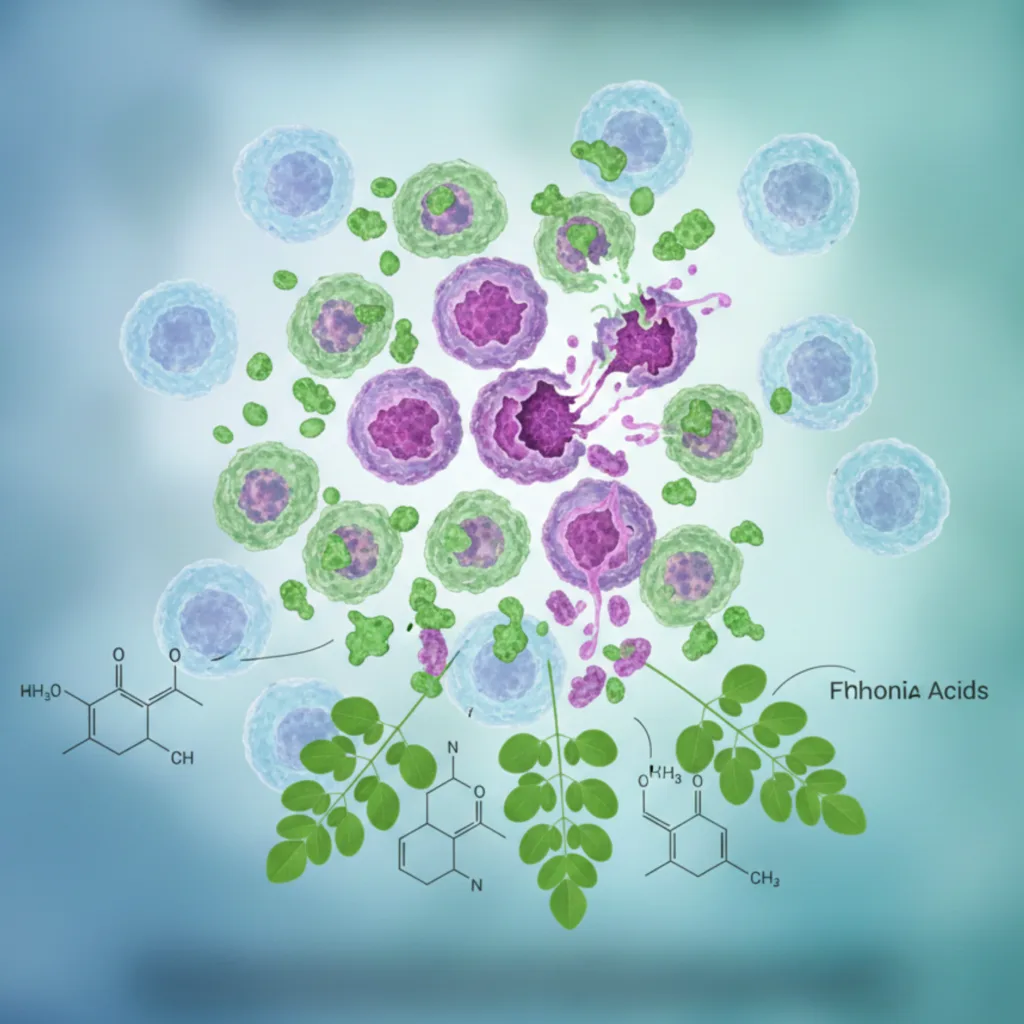
Many parts of moringa (fruits, leaves, flowers, stems) are beneficial against cancer, a deadly disease.
The isolated compounds thiocarbamate and isothiocyanate from moringa act as inhibitors of tumor cells.

5. Fertility
The various parts of the Moringa plant possess fertility and abortion-inducing properties.
Also, recent studies conducted by the National Institute of Health on hot and cold extracts of leaves of M. oleifera propose that ingestion of Moringa before, after, and during pregnancy may lead to adverse fetal developmental outcomes by causing rigorous contraction of the uterine wall. Thus, their is potential anti-fertility properties as well, so it is best to consume morina products during pregnancy only after doctors consultation.
6. Polycystic Ovarian Syndrome (PCOS)
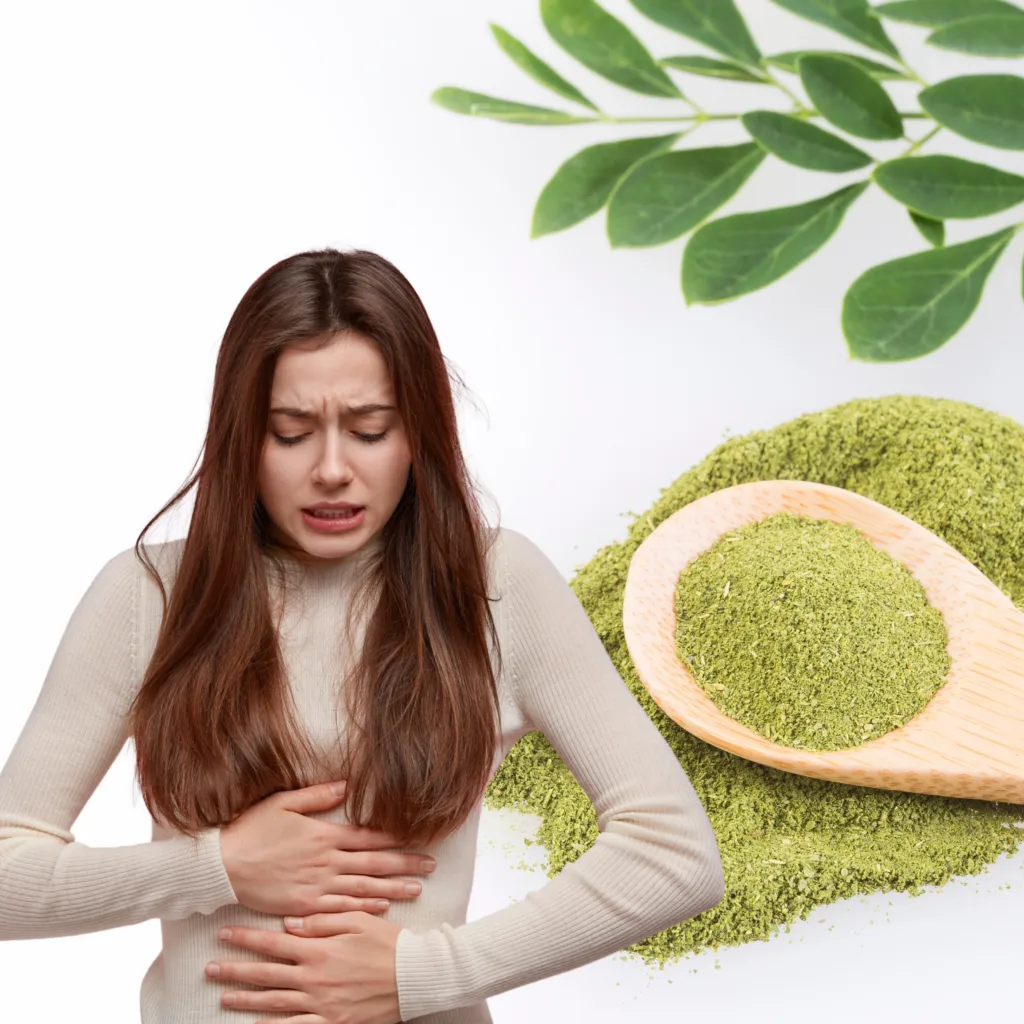
Consumption of moringa product have shown potential in managing the symptoms of PCOS primarily by improving insulin resistance and reducing inflammation. Most importantly, keeping the hormonal levels in check according to various studies conducted during pre-clinical trials.
This hormonal regulation is important in the regulation of the regular menstrual cycle and improvement in ovarian function in females.
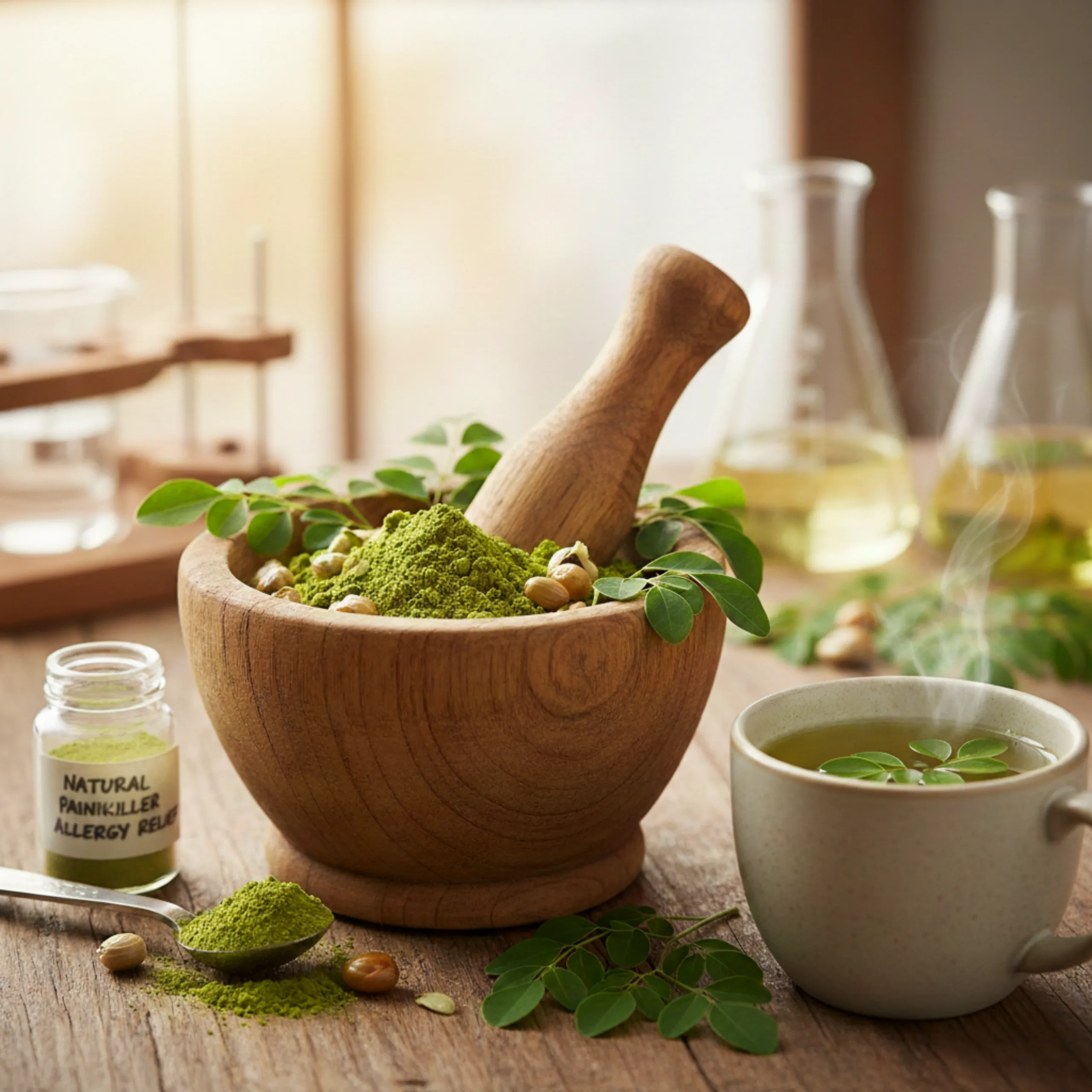
7. Analgesic-(painkiller) and Anti-Allergic Property
Moringa leaf extract shows analgesic (Painkiller) properties. Along with painkiller properties, moringa plants do exhibit Anti-Allergic activities.
The ethanolic seed extract reduced histamine release and also suppressed the anaphylaxis induced by anti-immunoglobulin G.

8. Anti-Obesity Activity
Due to the anti-inflammatory properties and Anti-allergic properties, moringa leaf powder has the anti-obesity property, that is it help in reducing fatty liver problems and acts as a fat cutter if consumed daily. Though the human clinical trials are limited, thus doctors’ advice is paramount before replacing this with conventional medicine.

9. Injury(Wound) Healing Effect
Studies conducted by the National Centre for Biotechnology Information have significantly highlighted the wound healing property of moringa.
Studies reported that leaves, seeds, and dried pulp extracts from the moringa plant have shown effective enhancement of wound closure and reduction of skin rupture strength in the scar area.
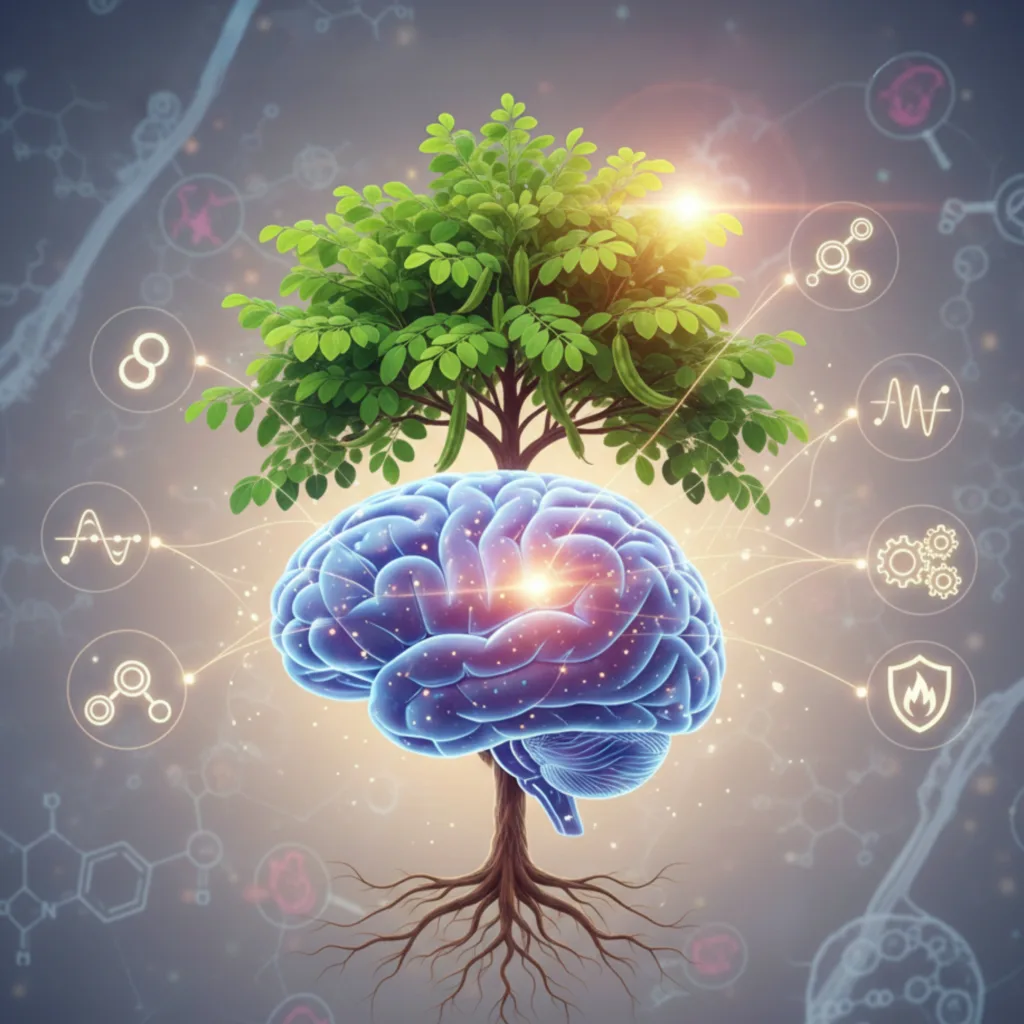
10. Neuropharmacological Activity
Various studies by the Department of Biotechnology have shown that leaf extract reestablishes levels of monoamine in the brain and is very helpful in Alzheimer’s disease.

11. Anti-Diabetic Activity
Due to high glucose tolerance in moringa, it shows an antidiabetic effect by controlling blood glucose levels, protein, sugar, and hemoglobin. The leaves of the plant lower glucose levels within a few hours of intake.
Moringa seeds, when administered orally, contain insulin-like proteins that have antigenic epitopes such as insulin and exhibit antihyperglycemic activity.
Leaf extracts of the plant also have antidiabetic activity as they improve hemoglobin levels in type 2 diabetic patients and, most importantly, increase insulin levels in healthy humans.
Benefits of Consuming Different Parts of the Moringa Plant
Approximately every part (leaf, pod, bark, flower, seed, seed oil, and root) of this plant has been used in ayurvedic medicine to treat disease, along with other daily dietary benefits:
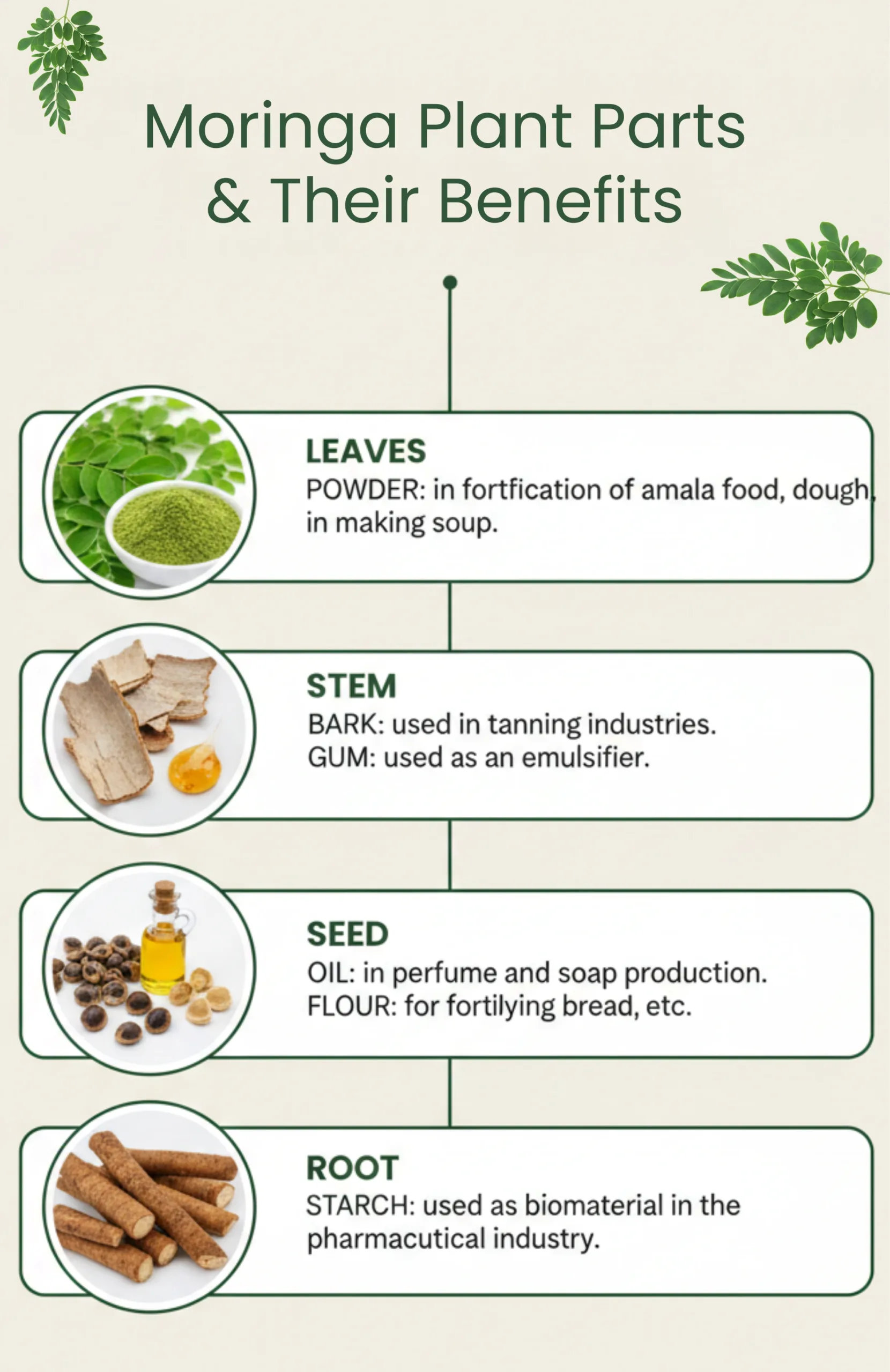
Leaves:- used in powdered form for daily consumption, either raw with warm water or powder is added in cooked food to enhance its dietary benefits.
Seed:- rich in antioxidants and vitamins, and other essential nutrients, moringa seed helps in boosting immunity, regulating blood sugar, and promoting better heart health.
fruit/Drumstick:- due to high anti-inflammatory properties its good for digestion. Generally consumed in either a soup form(Prime Minister of India MR. Narendra Modi, once talked about his favorite moringa soup due to its huge medicinal properties and health benefits). They are also a good source for curing joint pain as well.
Seed Oil:- It is used as an essential oil because moringa has benefits for moisturizing and cleaning the skin. Best used for treating acne and moisturising hair for better hair growth.
Stem/Bark:- due to its better wound healing property, moringa bark are good alternative source as a natural wound mask.
Roots:- have anti-bacterial and anti-fungal properties, thus helping in fighting many bacterial and fungal-related diseases like gout, ulcers, etc.
Flower:- good source of vitamin A, thus works as an immuno-booster and improves eye vision if consumed daily or in a prescribed amount.
Simple Ways to Integrate Moringa into Your Daily Routine
Approximately every part (leaf, pod, bark, flower, seed, seed oil, and root) of this plant has been used in ayurvedic medicine to treat disease, along with other daily dietary benefits:
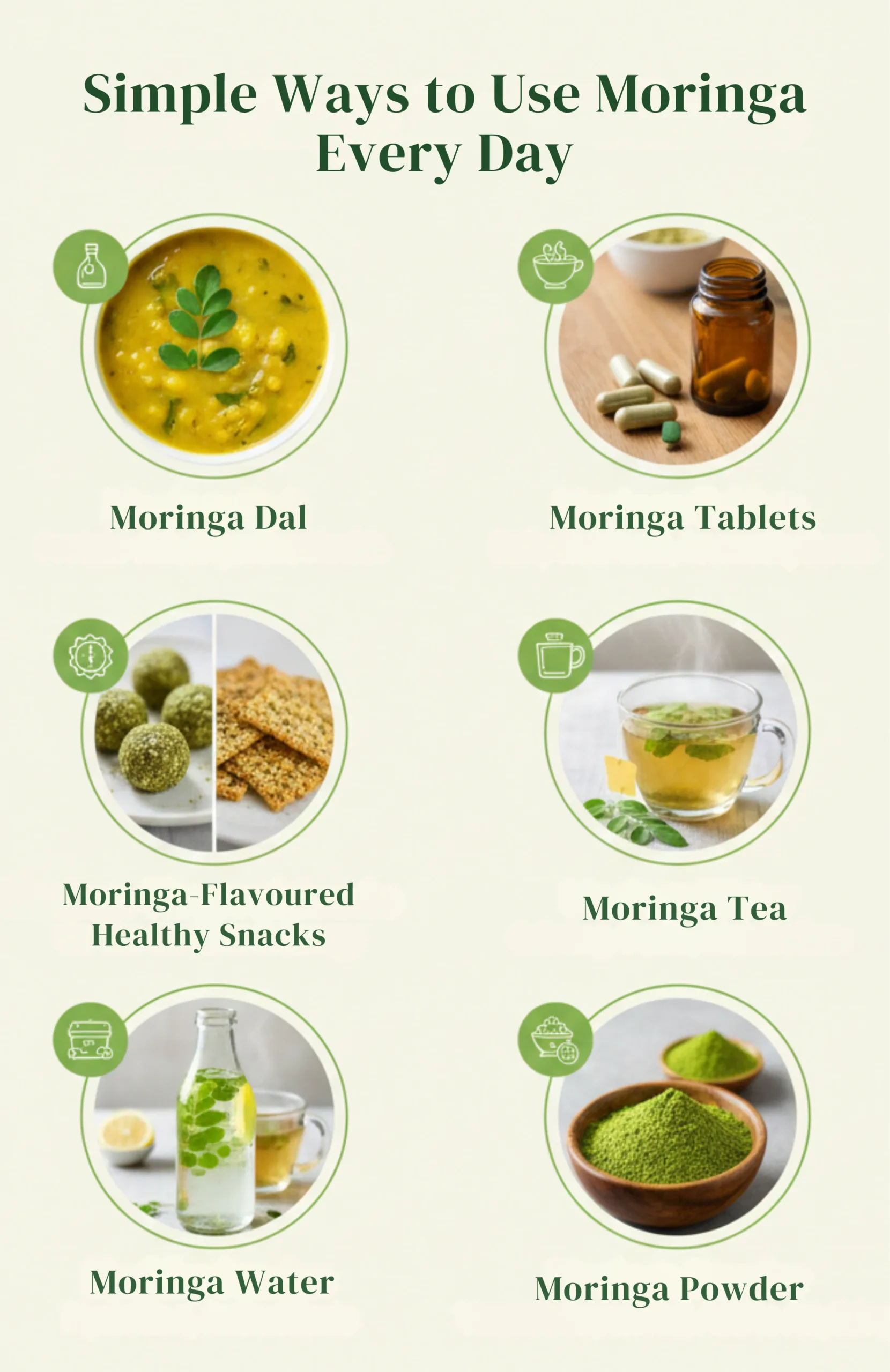
Moringa Dal: Add a few tablespoons of moringa powder once the dal, sabzi, or sambar is cooked. It adds more nutritional value without changing the taste and flavour of dal.
Moringa tablets: boost your immunity and make you feel energised throughout the day.
Moringa-flavoured healthy snacks: you can use moringa powder as a flavour in healthy snacks like moringa-flavour makhana, chivwda, etc.
Moringa tea: Replace your regular green tea with moringa leaf tea or add one teaspoon of moringa powder to your regular green tea ingredients; it will boost your energy as well as fulfill your daily requirements of antioxidants.
Moringa water: Add 1 tablespoon of moringa powder with a squeeze of lemon in warm water and have it as the first drink in the morning. It works great as a detox drink.
Start with just ½–1 teaspoon per day (that’s plenty for benefits) and gradually increase if you like. Moringa is extremely safe, but go slow if you’re new to it. Enjoy the extra energy and glow!
Find Your Perfect DailyDose of Moringa
Moringa, also known as drumstick plant, is a superfood, not only because it has medicinal properties, but also because each component of the moringa tree is nutrient-rich, vitamins-laden and anti-inflammatory in nature.
From its leaves, to flowers, to seeds, all have some or the other way to contribute to maintaining a healthy lifestyle.
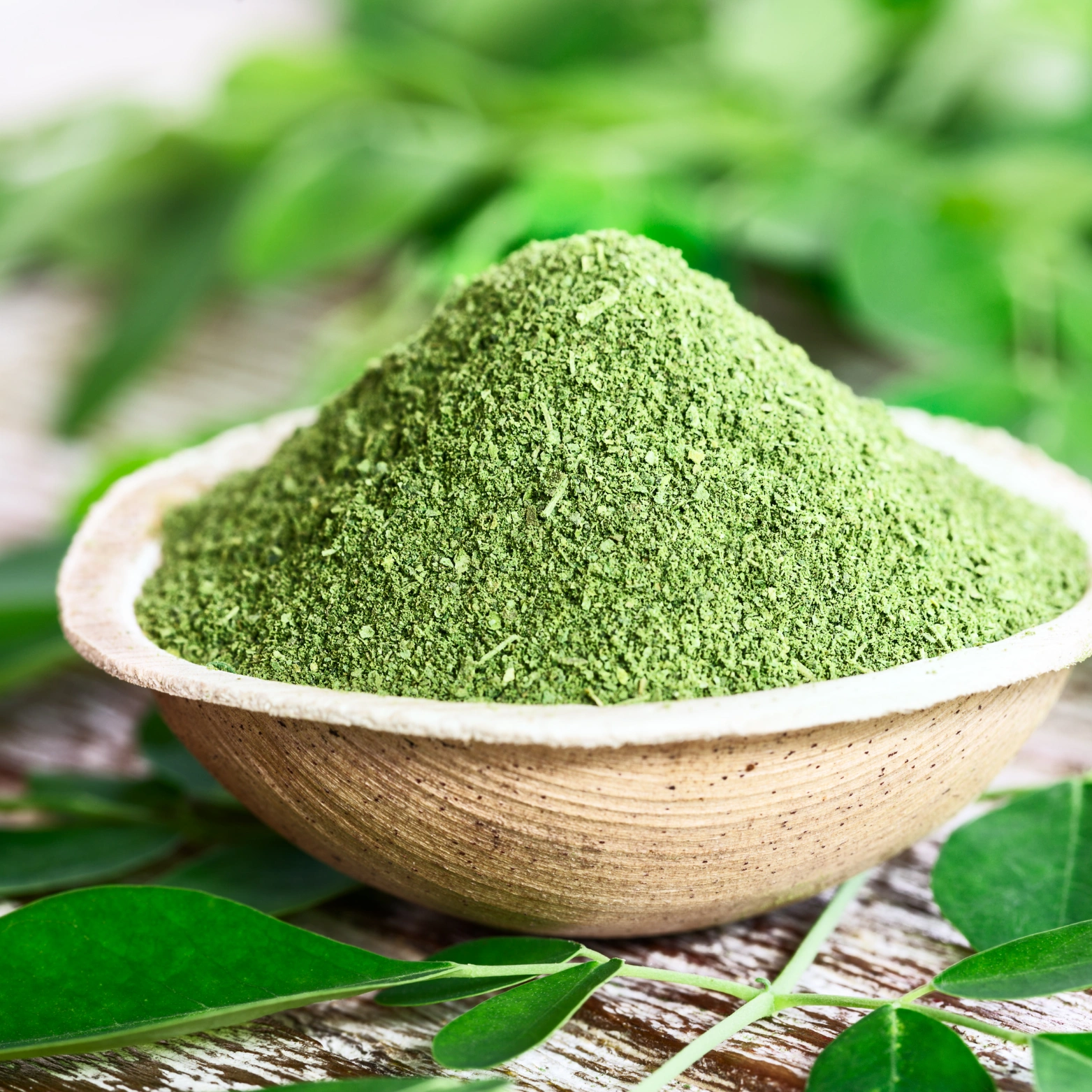
Moringa Powder
Moringa powder is 100% organic, laden with multiple health benefits. Moringa leaf powder is a nutrient-rich superfood made from the sun-dried, finely ground leaves of the moringa tree. With its proven ayurvedic medicinal properties, this powder is rich in vitamins, minerals, macronutrients, and antioxidants.
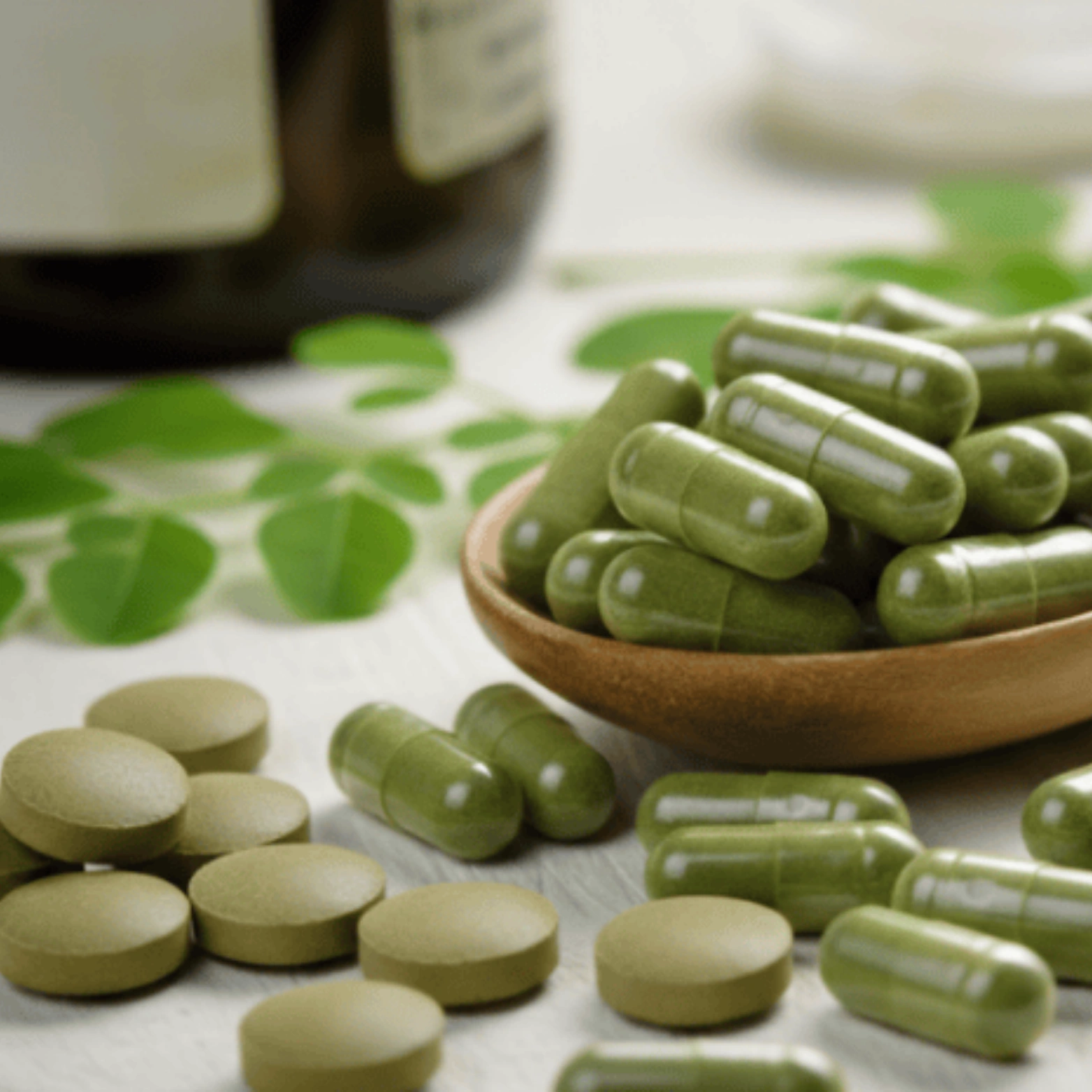
Moringa Tablets/Capsules
Moringa tablets a is a famous nutritional supplement made from the moringa leaf powder. These tablets offer a wide range of multi-health benefits because of their huge nutrient and medicinal properties.
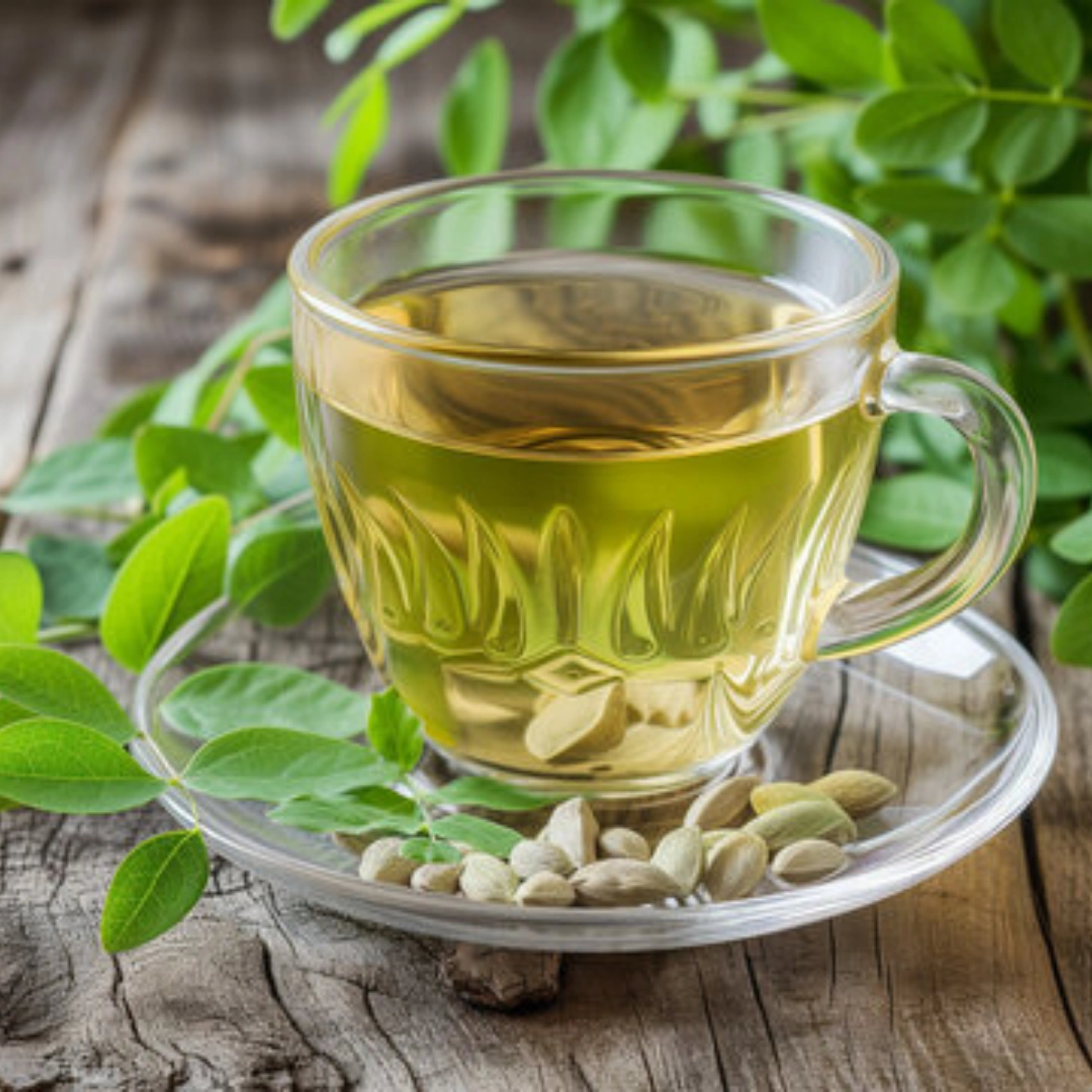
Moringa Tea
Moringa tea, made from dried moringa leaves, is a caffeine-free healthy substitute for green tea or coffee. With its rich, earthy taste and nutritional values, it works wonders in boosting energy. It is available in many flavours as well as in plain moringa flavour with blends of other herbs.
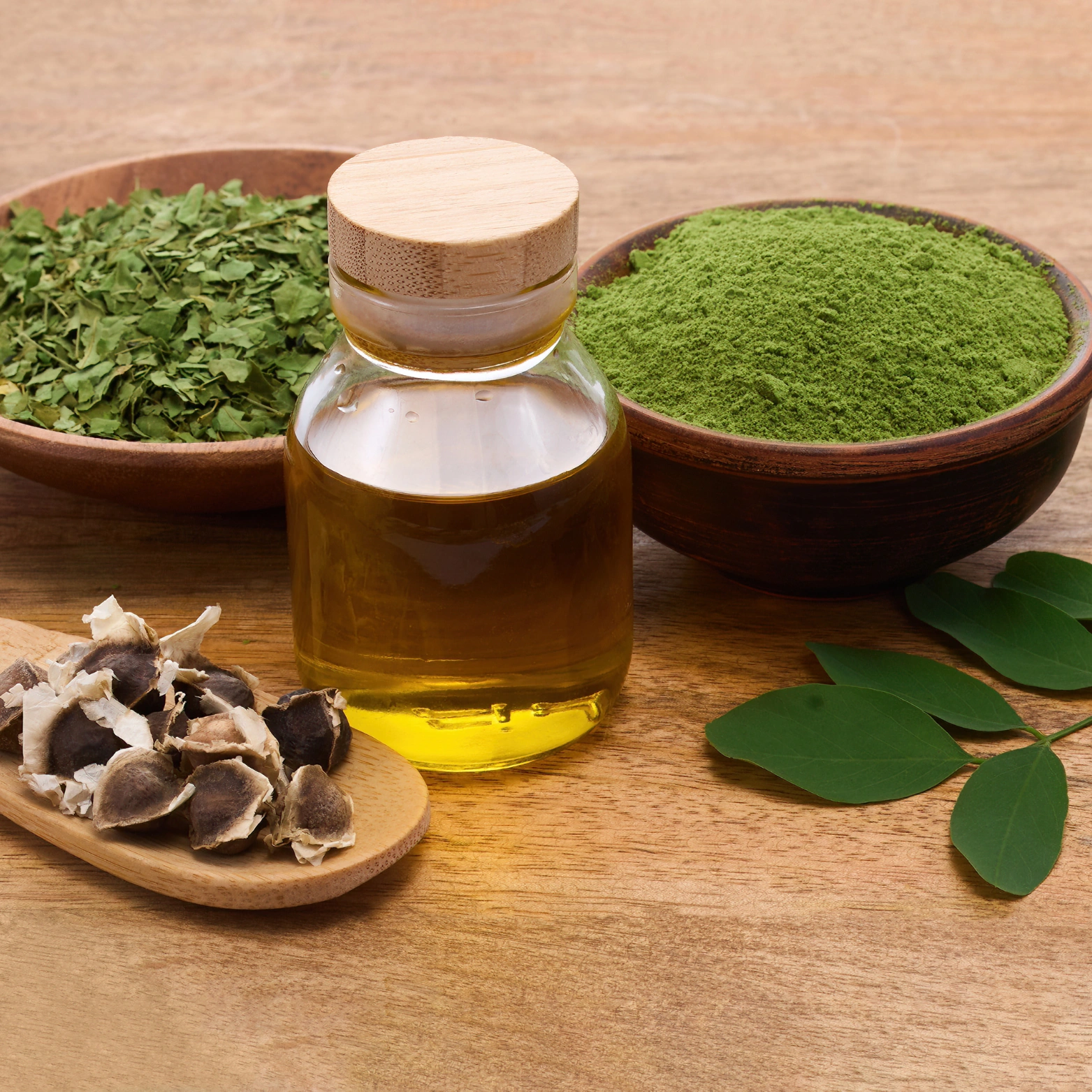
Moringa Pain Relief Oil
Moringa oil, also known as Ben oil due to its high concentration of Behenic acid, is a nutrient-rich, lightweight oil extracted from the seeds of the moringa tree. Due to its rich macronutrients, anti-inflammatory, and antioxidant properties, it is widely used in cosmetics, traditional ayurvedic medicines, and even in cooking.
Conclusions and Future Perspective
This detailed comprehension summarises many diverse aspects of drumstick, including its traditional medicinal, daily consumption benefits, and the best way to integrate moringa products in daily dietary habits for a naturally healthy lifestyle.
Some recent studies have also found moringa’s effect in toxicology. The presence of alkaloids, phenolic acid, glycosides, sterols, glucosinolates, flavonoids, terpenes, and fatty acids is responsible for the medicinal effects of Moringa. In addition, Moringa is also rich in compounds such as vitamins, micronutrients, and carotenoids, which increase its medicinal value and consumption as a superfood.